Salesforce Data Masking
Data Masking vs Data Seeding in Salesforce: Which Approach Actually Protects Your Sensitive Data?
Data masking vs data seeding: Which approach keeps your Salesforce sandbox secure while enabling development teams?

Data masking vs data seeding: Which approach keeps your Salesforce sandbox secure while enabling development teams?
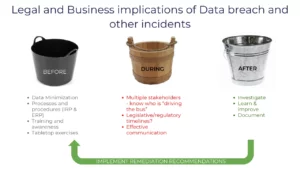
Because in the realm of data security, especially concerning Salesforce, understanding the holistic approach to data protection is not just beneficial – it’s essential.
Explores how data masking is key to strengthening your Salesforce security.

Table of Contents Salesforce provides businesses with the ability to protect their data from unauthorized access, both through Salesforce Shield Encryption and Sandbox Data Masking with DataMasker.

Disclaimer: To all readers, please note that this not legal advice, nor is this coming from Salesforce. This is strictly my personal opinion and perspective

My brother and I are currently building a family house back in India (where it all began for us) and we’re at the stage where
Marathon runners obsess over their socks and shoes – because to outdo their past performance, they need to take advantage of everything at their disposal.

Reducing Salesforce data footprint directly reduces the cost and risks of potential data leaks and embarrassment, as well as benefits your organization. Here are

We earlier talked about reducing production data. The third step to reducing data in your Salesforce org is to define retention policies. The idea here

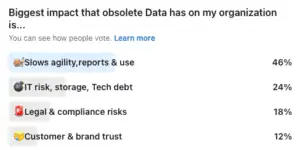
We talked earlier about masking sandboxes. The second step is to reduce production data. The idea here is that obsolete information in your Salesforce production